The
Twelve
Virtues
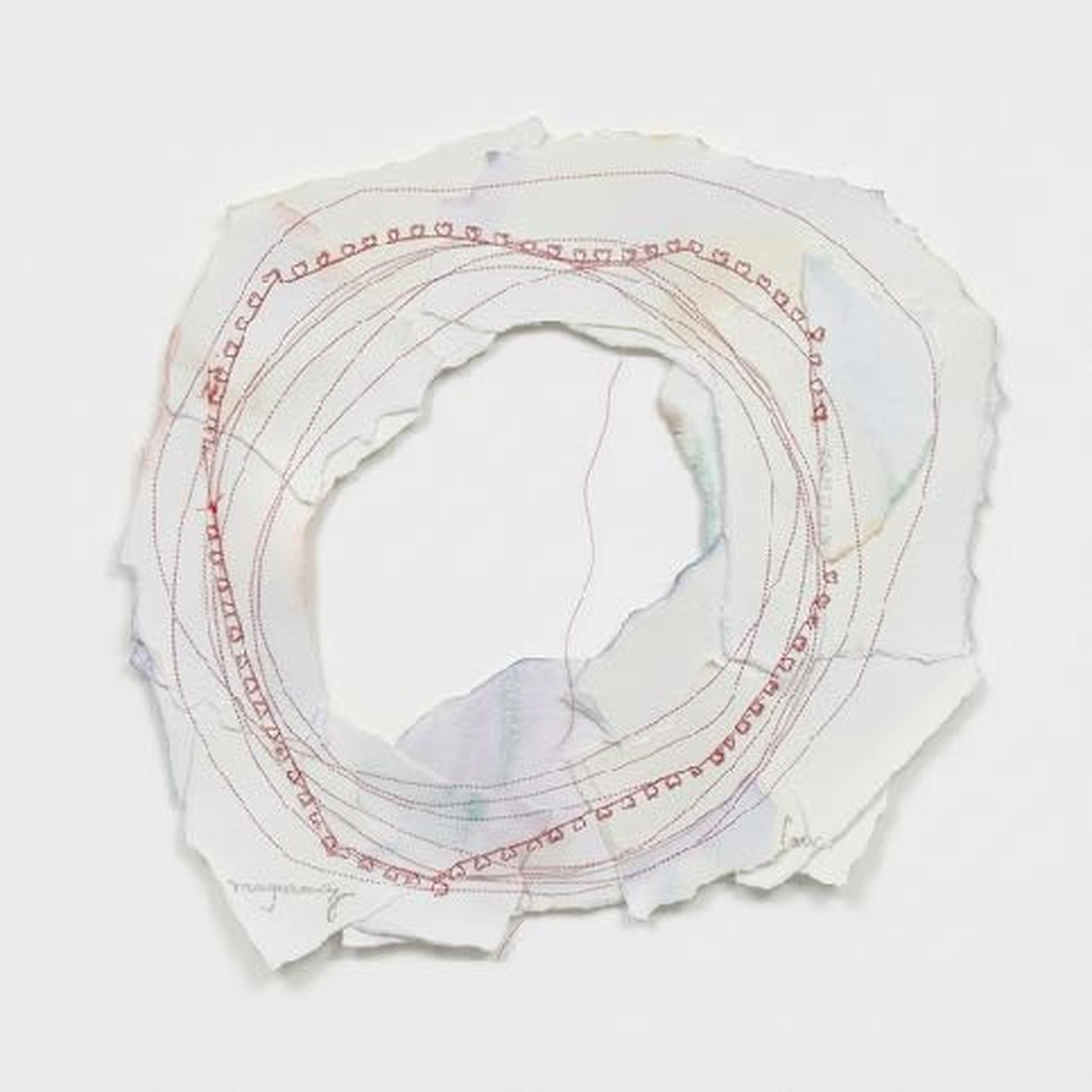
Paper is torn, stained, inked, stitched, monotyped. Each gesture moves the material one step further, from what it was, into what it is becoming.
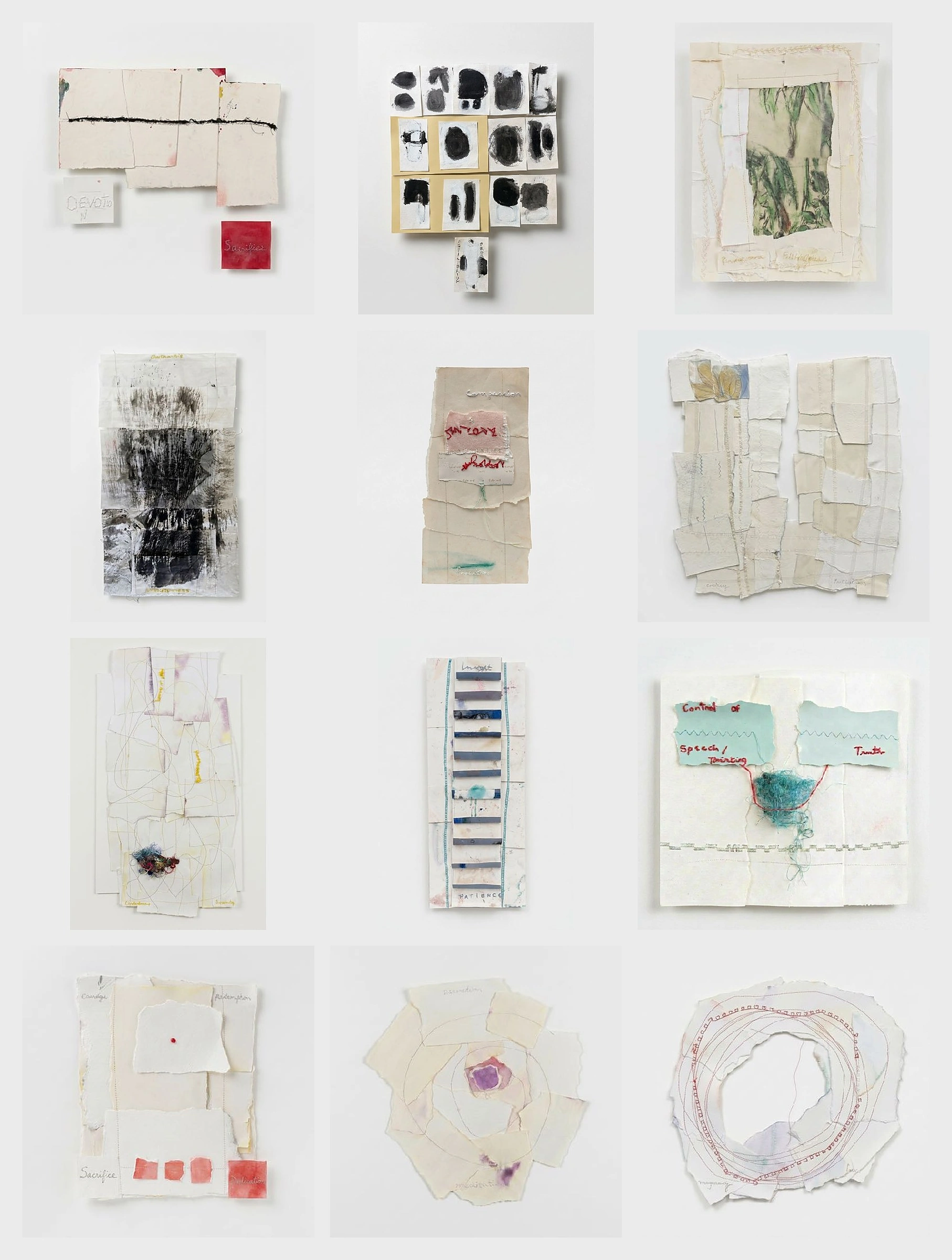
The studio works only with paper that already has a life: earlier works, painted studies, sketches, sheets marked by water, ink, or time. Nothing begins blank, and nothing is treated as trash.
Each sheet is handled differently: torn, washed, stitched, embroidered. These were never waste, only studies set aside, and the act of not throwing them away is what gives the transformation its meaning.
The stitches are not always precise. The machine skips, the hand hesitates, the thread doubles back. Mistakes and flaws are kept. Perfection is not the goal; the passage from one state to another is.
We also want to propose contact. We imagine the work living alongside local communities, in public and private schools, where the research of diverse materials can happen collectively. The studio opens to encounter.
The artists merge two distinct voices into a single visual language built on recycled paper, watercolor, ink, thread, and monotype. Their current body of work, The Twelve Virtues, draws on Rudolf Steiner's twelve virtues and Aristotle's ethical thought, filtered through philosophy, psychoanalysis, and anthroposophy. Each piece reuses earlier painted studies and studio fragments, treating material transformation as a mirror for personal and social change. The works propose that no state is fixed: every virtue, once worked, opens into a second quality and reverberates outward toward the other and the world. Influenced by Aristotle, Goethe, Steiner, and Bauhaus principles, the artists create abstract, conceptually layered works that hold the tension between the natural, the spiritual, and the human.
Purpose and background
of this project.
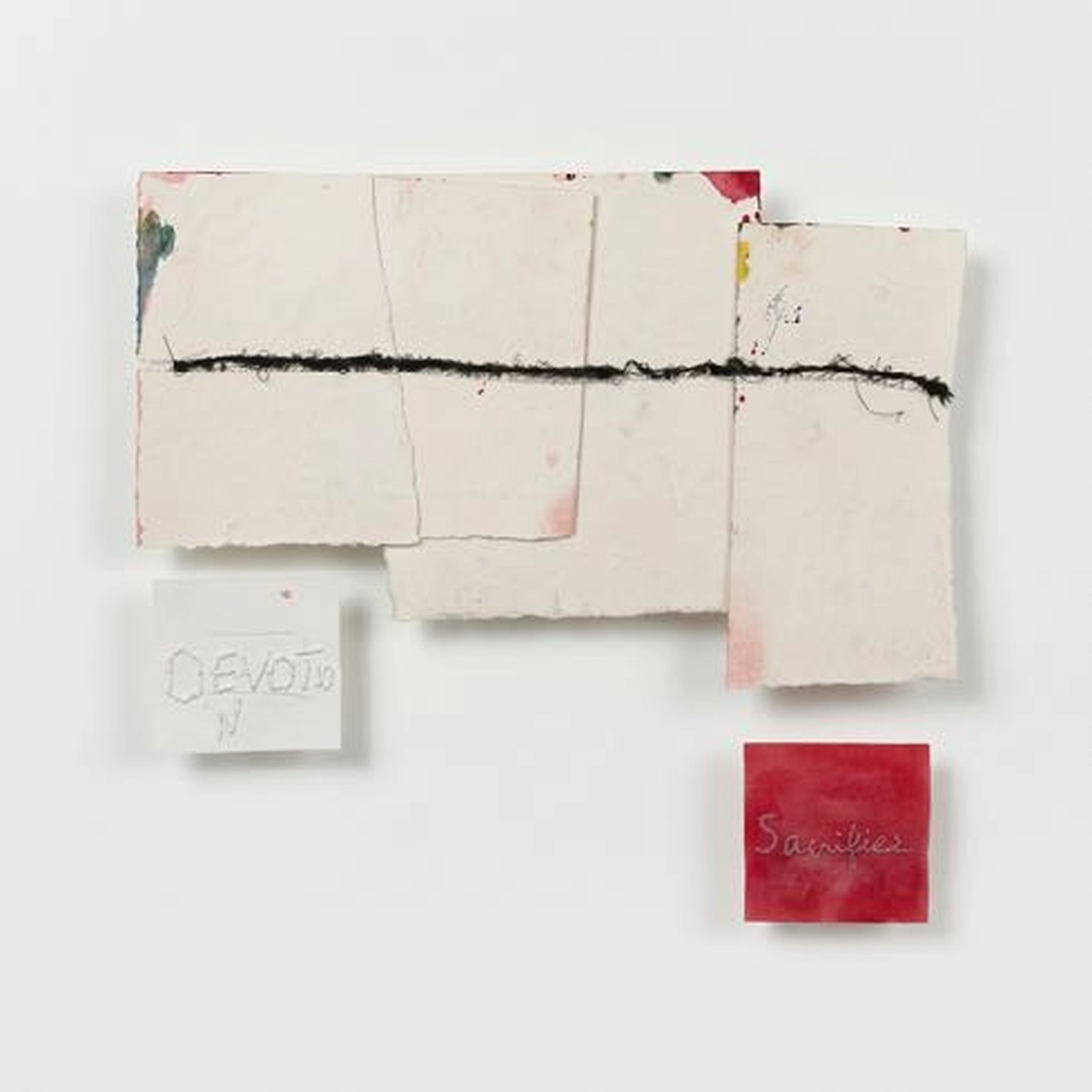
We live in a time that asks for listening. When we revisit the twelve virtues of Aristotle and the twelve of Rudolf Steiner, we seek encounter. Each virtue is a state of ours. And each state, when worked, opens the way to another: courage becomes redemption, devotion gives itself as sacrifice, patience finds insight.
With philosophy, psychoanalysis, and anthroposophy beside us, we translate these ancient teachings into a language we can feel. Reused paper, old studies, kept paintings: they are our own stories being transformed. Just like us.
Because we believe that transforming matter is transforming ourselves. And that each virtue reverberates in the other and in the world.
The series is built on paper that already carries a history: earlier paintings, studies, and studio fragments are torn, washed, inked, monotyped, painted, embroidered, and stitched by machine and by hand. Mistakes are kept; they become part of the vocabulary.
The structure follows Steiner's twelve virtues and Aristotle's ethics, not as fixed rules but as living processes. Each virtue is an inner state that, when worked, unfolds into another and reaches toward the other.
Our collaboration is four-handed. We pass the same sheet between us, tearing, staining, sewing, and layering together. The work becomes a meeting place where the I dissolves into we.
We would like to present this project where the twelve virtues and their transformations could unfold through art practices in dialogue with the space and its community.
Twelve
virtues,
in evolution.
Not as fixed ideals but as states in motion. Each virtue is pushed beyond itself, dissolving into a second condition.
- 01DevotionSacrifice
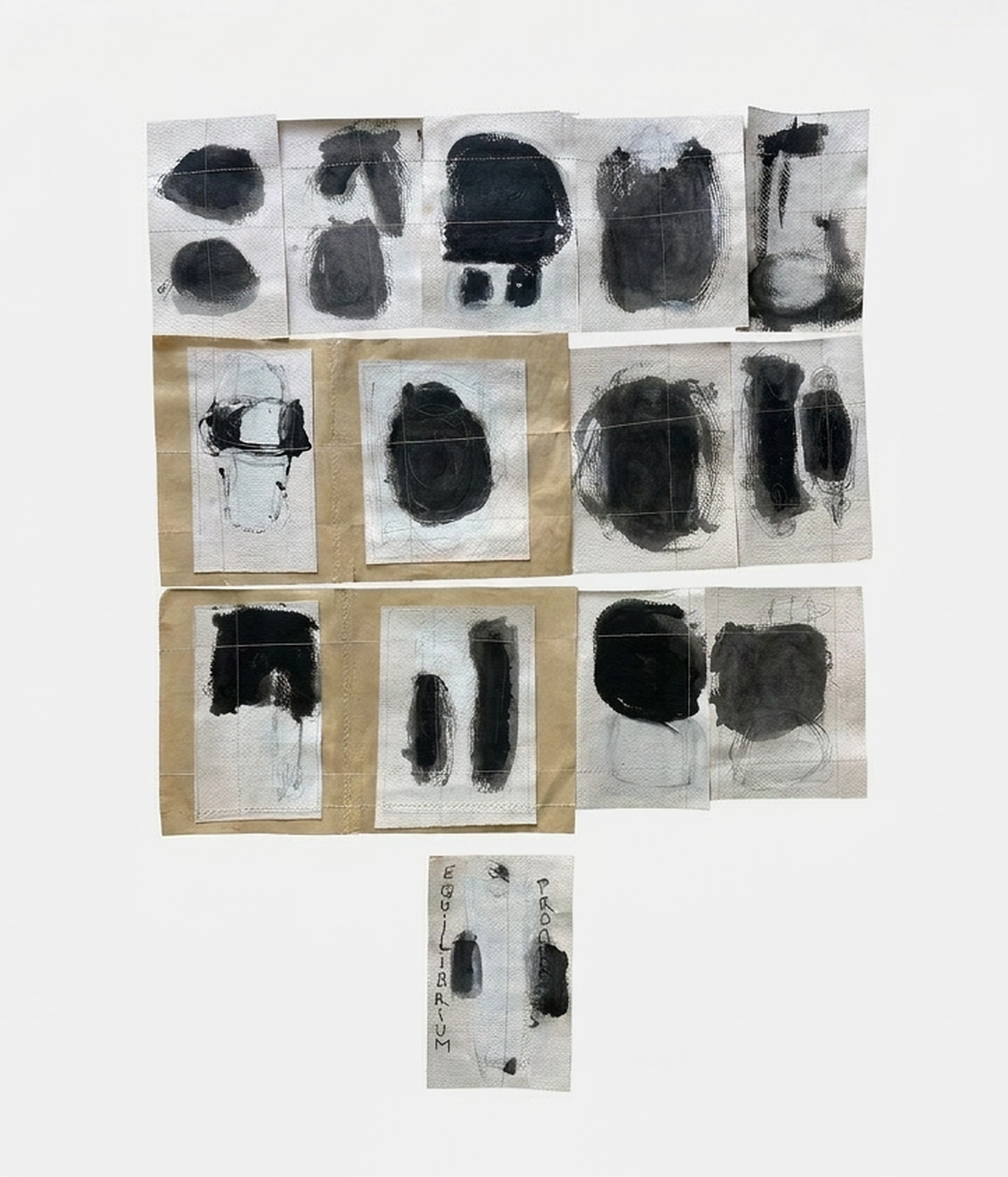
- 02EquilibriumProgress
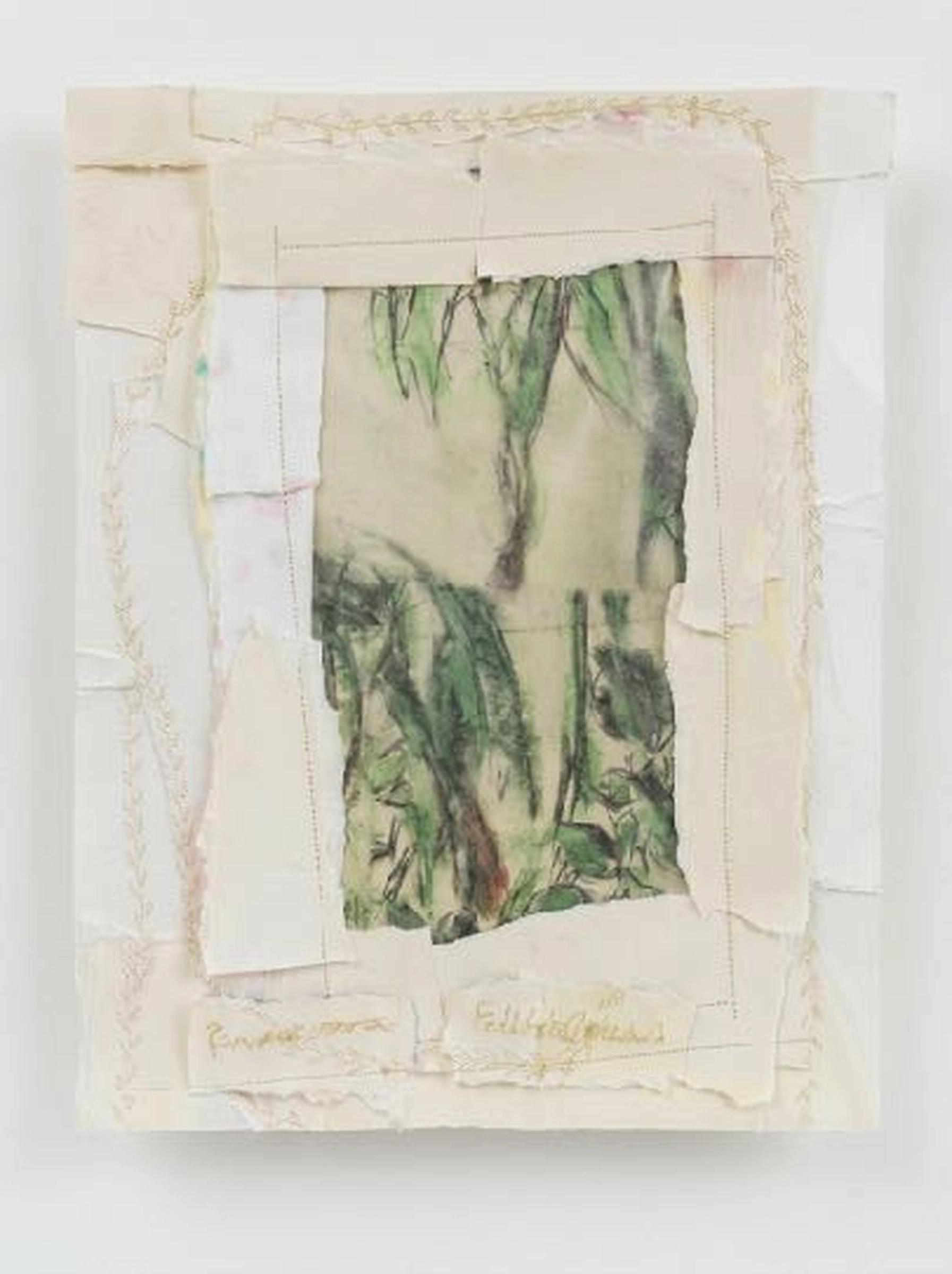
- 03PerseveranceFaithfulness
- 04UnselfishnessCatharsis
- 05CompassionFreedom
- 06CourtesyTactfulness
- 07ContentmentSerenity
- 08PatienceInsight
- 09Control of Speech and ThoughtTruth
- 10CourageRedemption
- 11DiscretionMeditation
- 12MagnanimityLove
Twelve passages.
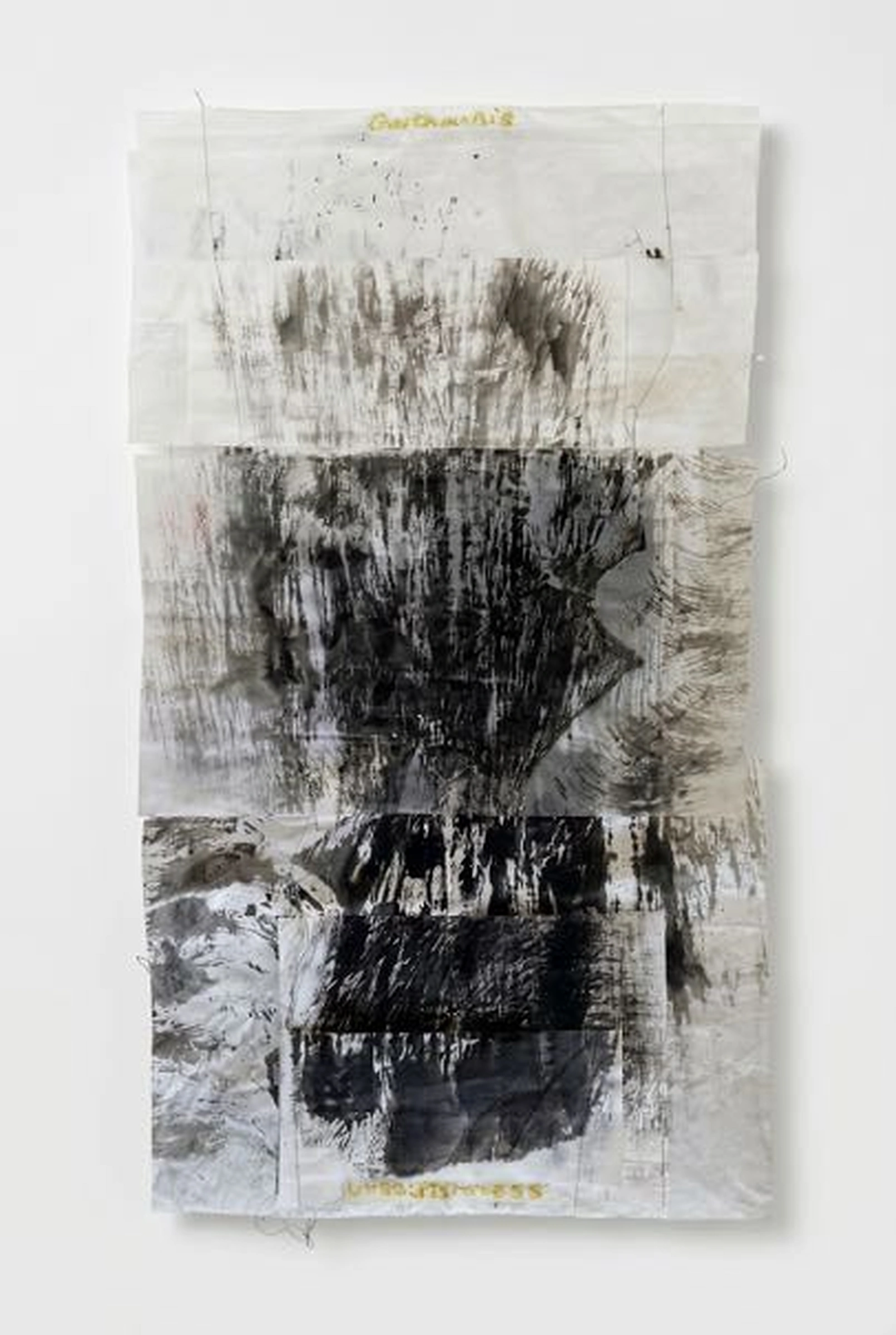
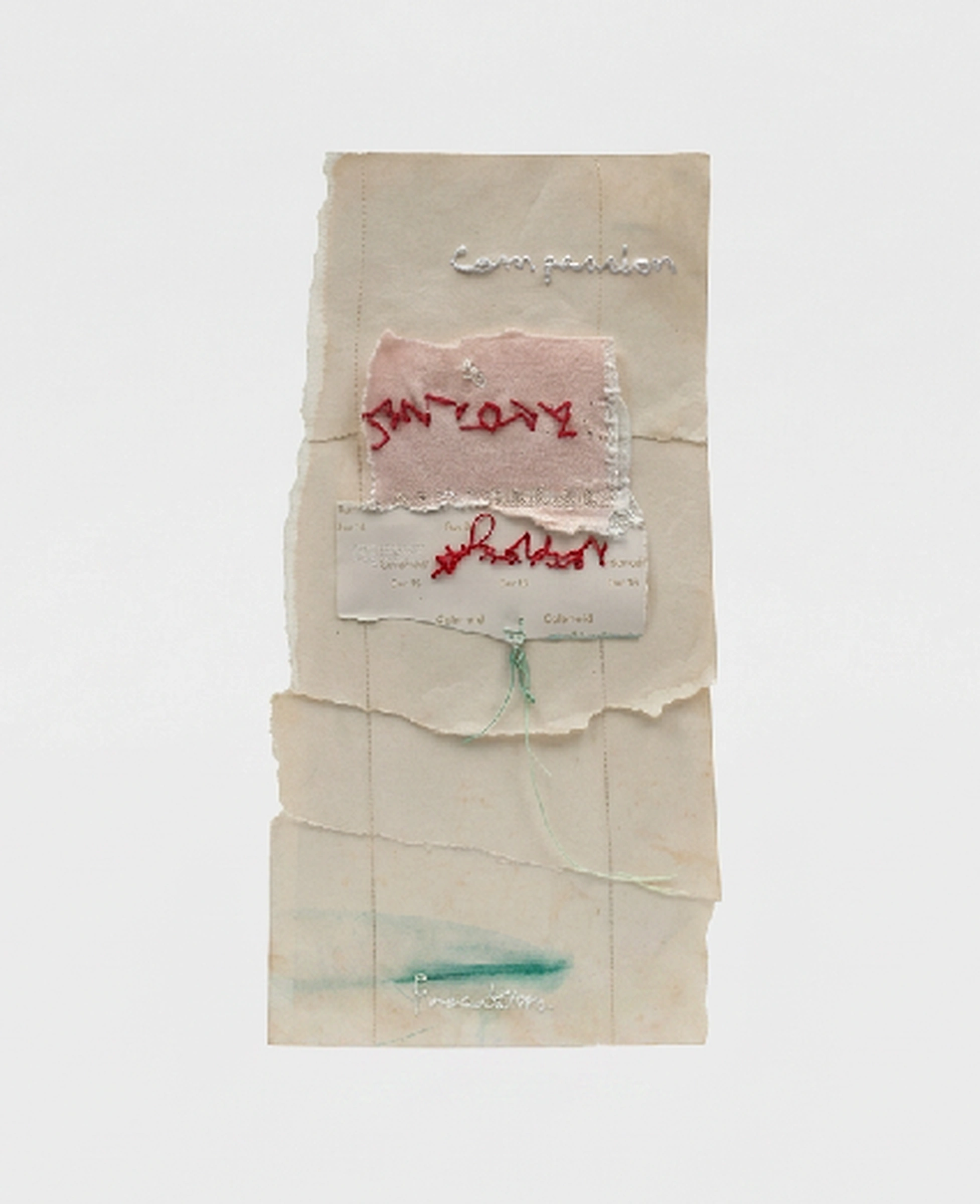
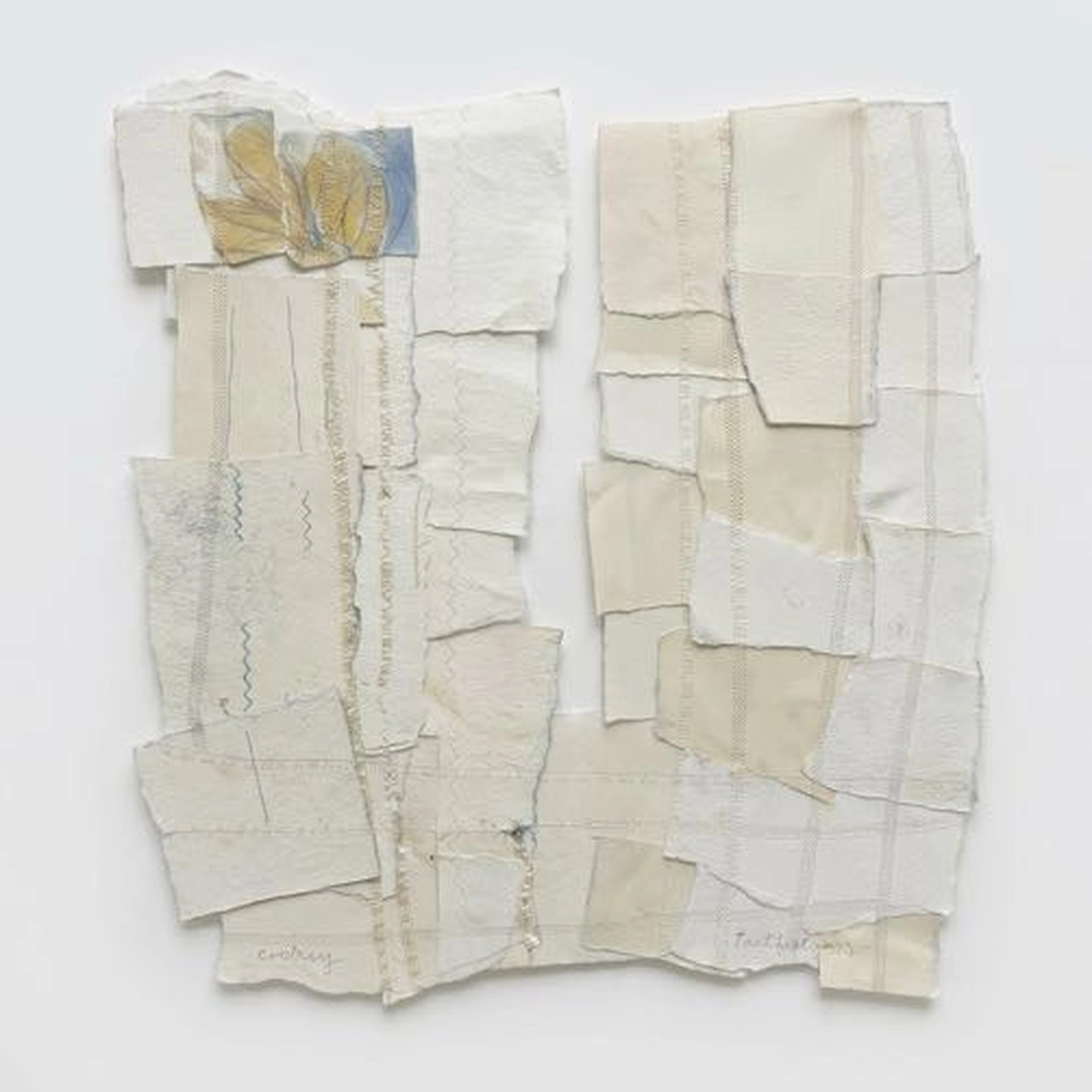
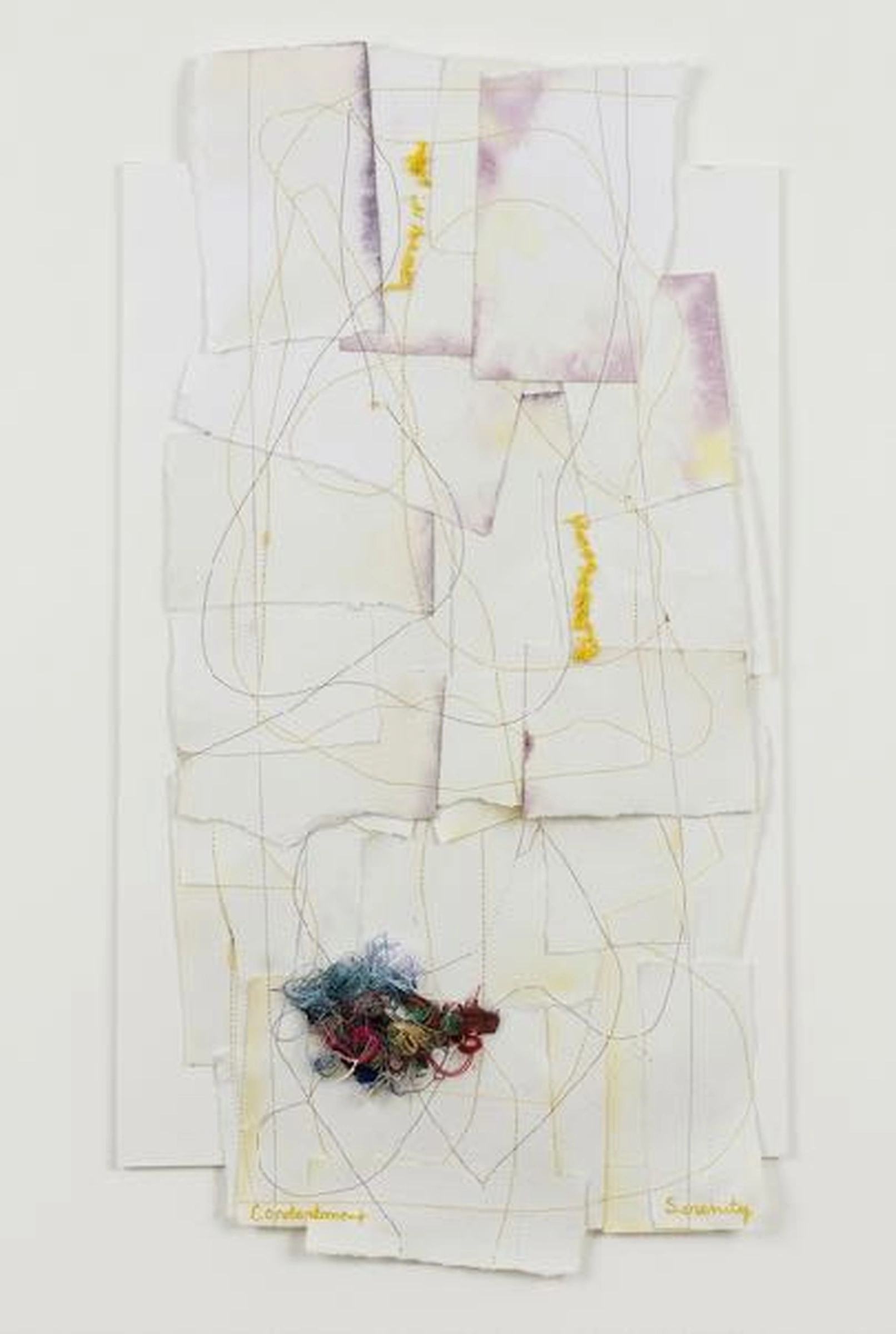
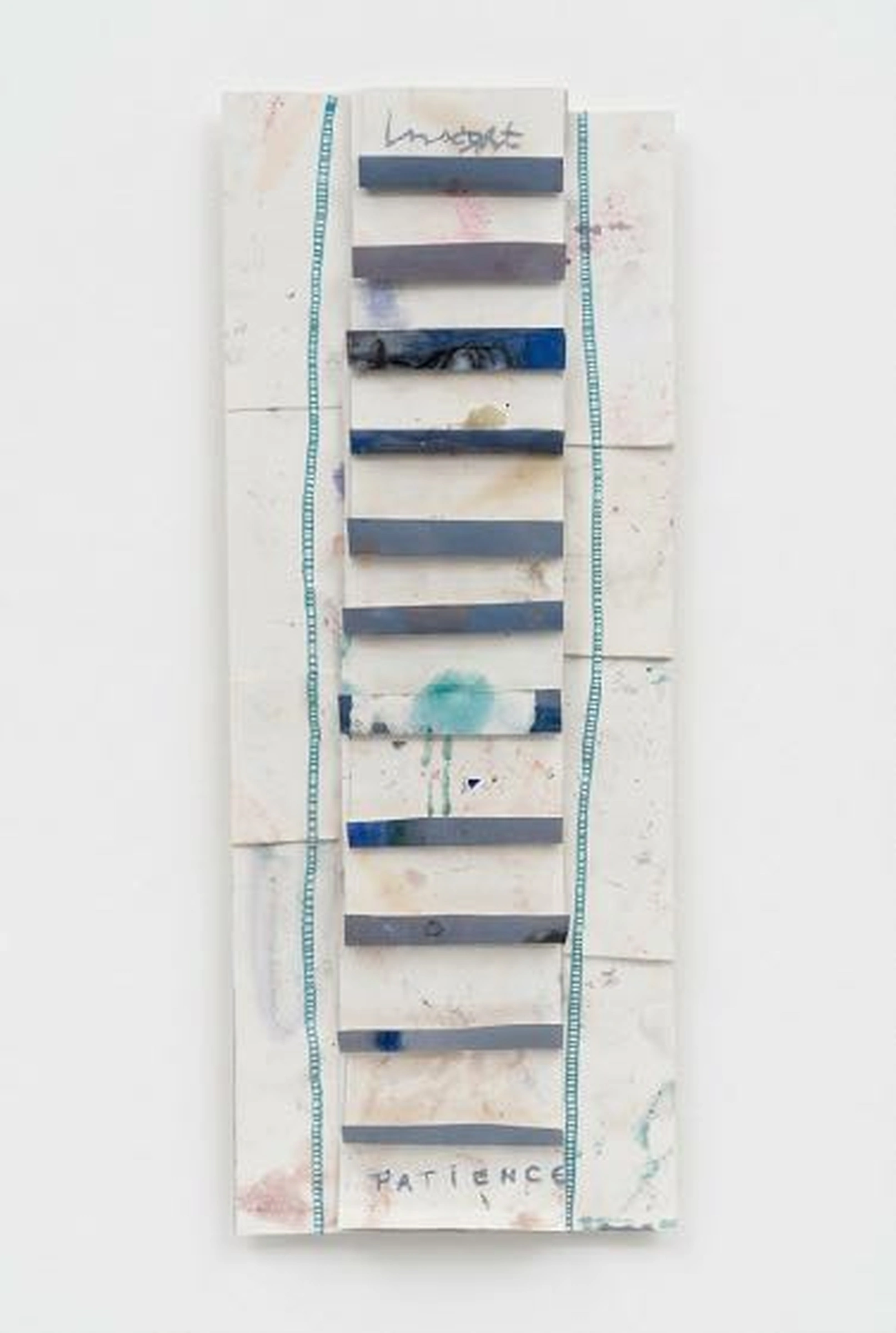
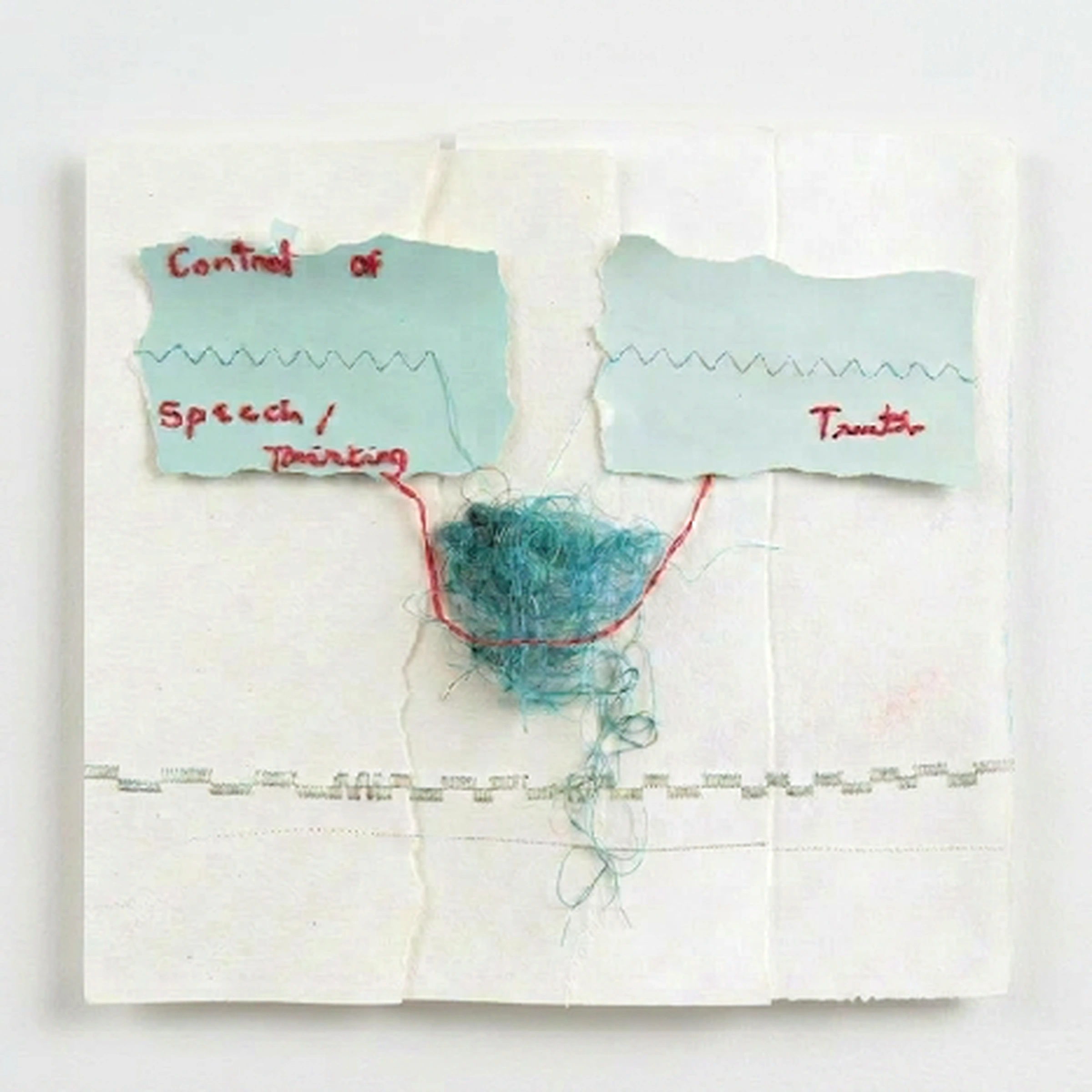
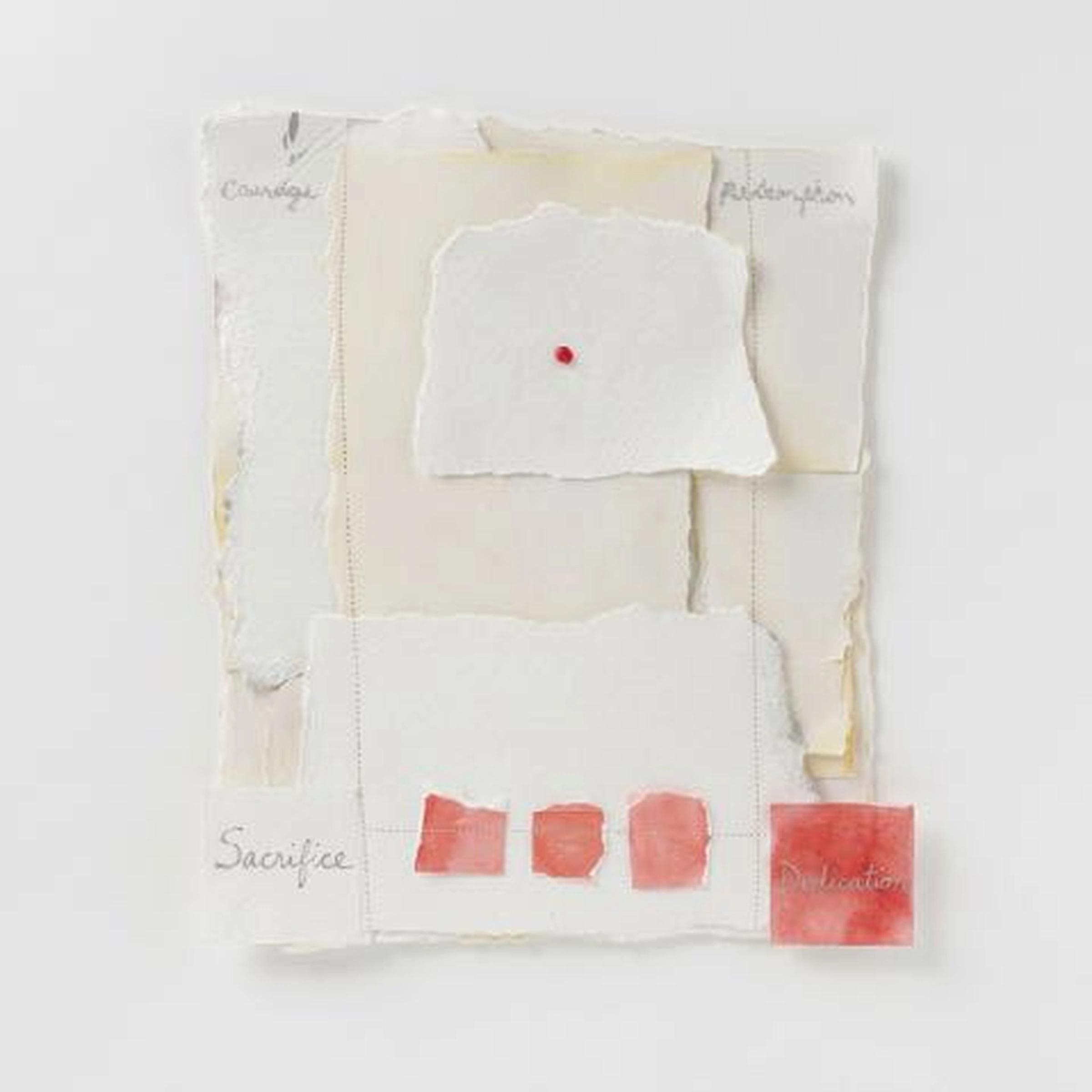
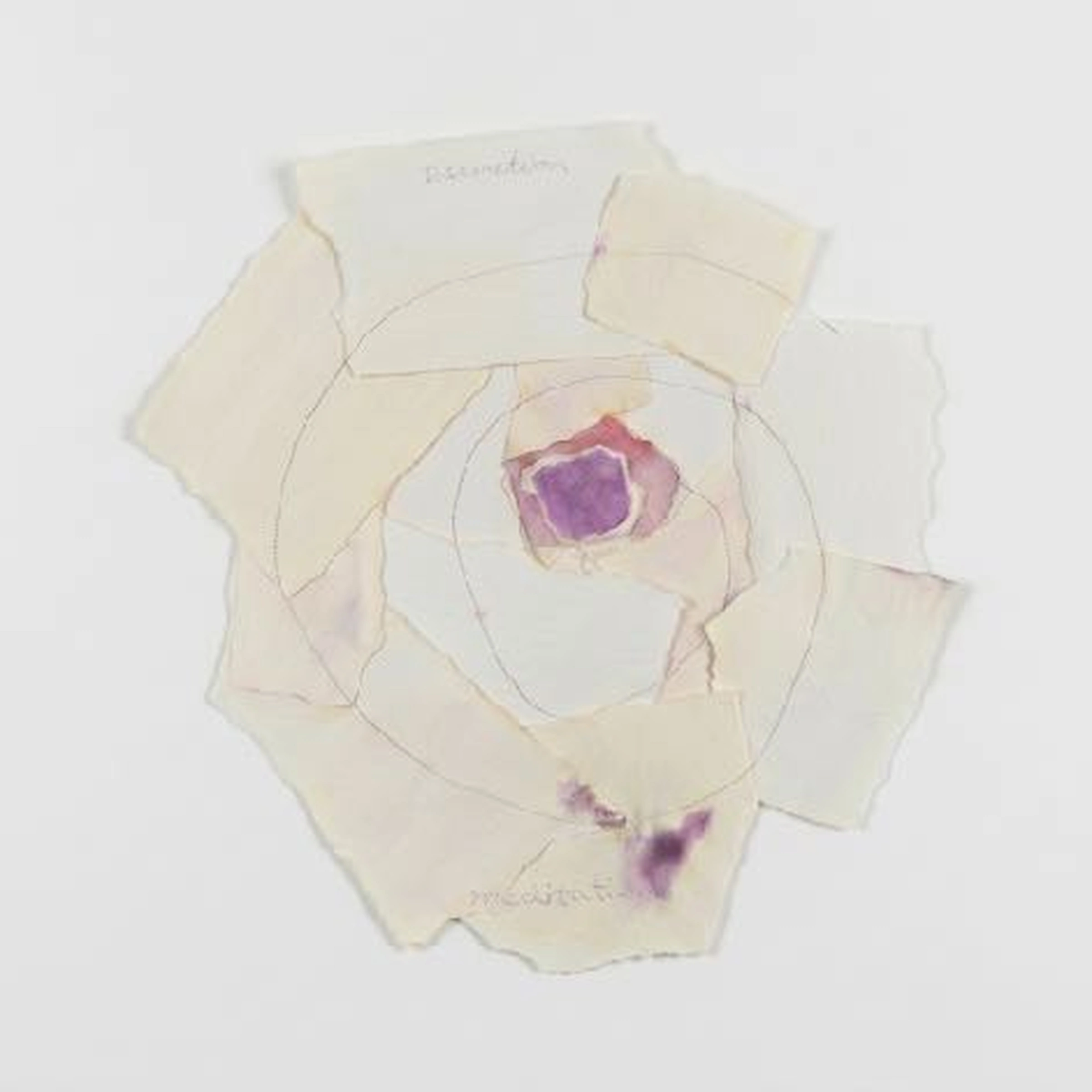
Dabus & Thibes.
From Brazil, working in Miami.
We are Fernanda Dabus, from Santa Maria, Brazil, and Cecilia Thibes, from Curitiba, Brazil. We met in Tokyo in 2017, exhibited together at the Brazilian Embassy in Tokyo, and led a workshop for the Brazilian-Japanese school near Tokyo. We live in Miami, USA, where we have worked together since then.
Dabus & Thibes is a collaborative painting duo whose work exists at the intersection of abstraction and conceptual inquiry. Working in dialogue, we merge two distinct creative voices into a single visual language, one that resists easy categorization and invites sustained looking.
As a duo, collaboration is not simply our method: it is our subject. The push and pull between two artists on one surface mirrors the broader human experience of creating meaning together, of finding coherence in contrast. Our work asks: what emerges when two perspectives refuse to collapse into one?
Rooted in the tradition of abstract artworks yet driven by contemporary conceptual concerns, we create work that is at once visually immediate and intellectually open, artworks that reward both the eye and the mind.
Influenced by Aristotle, Johann Wolfgang von Goethe, Rudolf Steiner, and Bauhaus principles. Moving between abstraction and materiality, we reuse supports and fragments to create layered works that reflect the coexistence and tension between the natural, the spiritual, and the human.